In this article
Travel content doesn’t require a passport.
The best faceless travel channels source footage from Pexels, Storyblocks, and Artgrid, write a voiceover script, and publish destination guides that audiences love. The creator never boards a plane.
Here’s how the niche works, what content performs, and what you can realistically earn starting from zero.
Why Does Travel Work as a Faceless Niche?
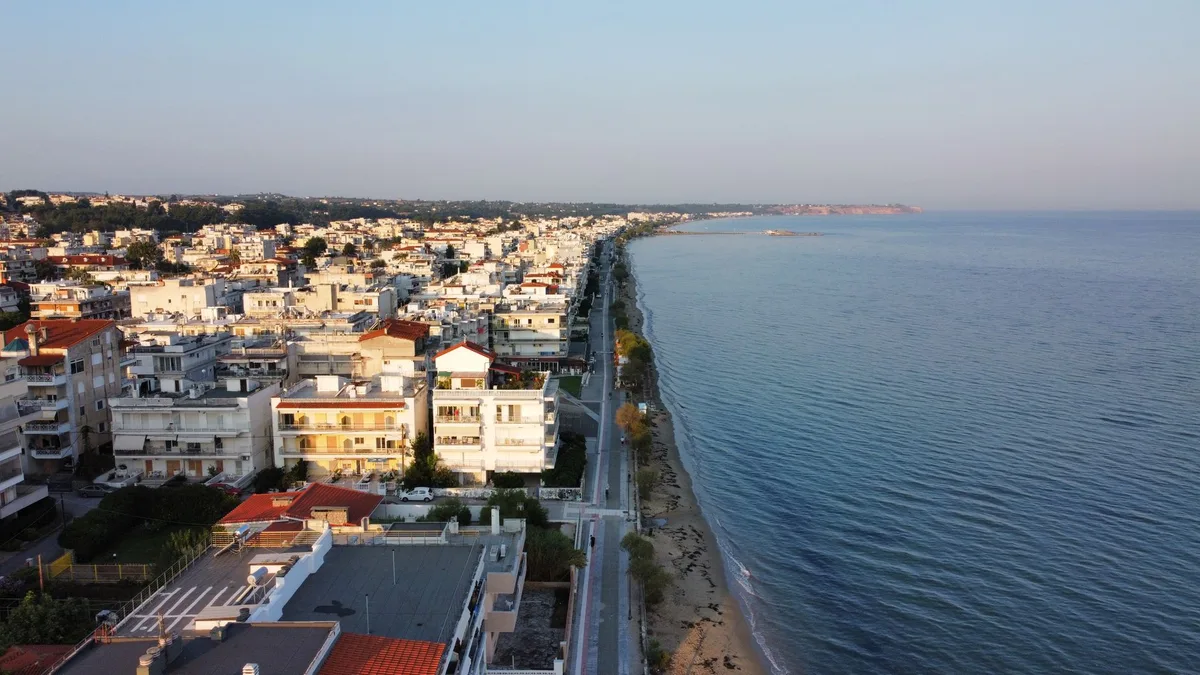
Travel is a visual-first niche where viewers want to see the destination, not the creator. Channels like Touropia have built audiences in the millions using licensed stock footage and voiceover. The format is naturally faceless because the audience expects to look at places, not people.
Travel audiences consume content to experience a destination, not to follow a personality. A well-assembled aerial sequence of Santorini with solid narration outperforms a selfie-style vlog in this category.
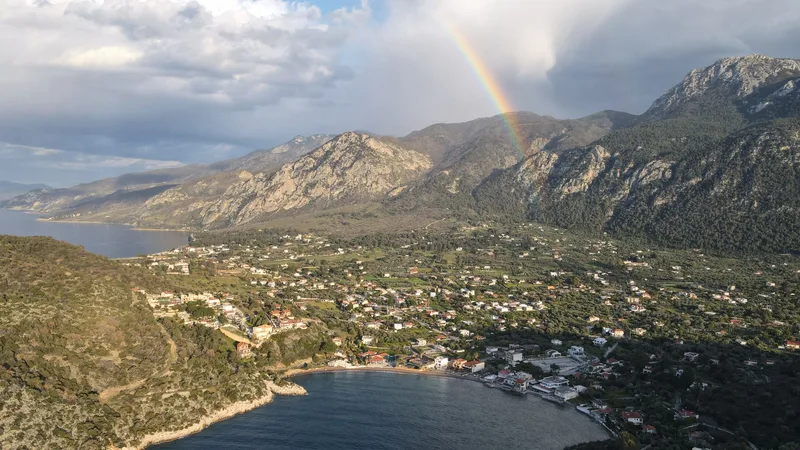
The other advantage is footage availability. Most niches require original assets. Travel gives you access to a near-unlimited library of 4K stock footage before you spend a dollar on production. Storyblocks’ Essentials plan, which includes unlimited footage downloads, costs $21 a month billed annually, per its pricing page. Pexels is free, with no attribution required under its license.
That changes the production economics completely. You’re curating and narrating, not filming.
What Should You Post on a Faceless Travel Channel?
Travel content clusters into a handful of high-performing formats:
Destination guides:
- “10 Things to Do in Kyoto on a Budget”
- “Is Santorini Worth the Hype? An Honest Breakdown”
- “Hidden Gems in Tokyo Most Tourists Miss”
Itinerary breakdowns:
- “5 Days in Bali: The Exact Plan That Worked”
- “Rome in 48 Hours: How to Cover the Essential Sights”
- “Two Weeks in Japan: A First-Timer’s Itinerary”
Budget travel:
- “How Much Does Southeast Asia Actually Cost in 2026”
- “Thailand on $50 a Day: What’s Realistic and What Isn’t”
- “Eastern Europe on a Budget: Which Countries Give You the Most”
Travel tips and logistics:
- “Best Time to Visit Japan – What the Tourism Sites Won’t Tell You”
- “How to Avoid Tourist Traps in the Most Visited Cities”
- “Carry-On Only for Two Weeks: What to Actually Pack”
Comparison formats:
- “Bali vs Thailand: Which One Is Worth Your Money”
- “Best Countries for Remote Workers in 2026 – Ranked by Cost and Quality of Life”
The destination guide and budget breakdown formats perform best for faceless channels. They’re built on information and visuals, not personality. Anyone can make them. The creators who do the research well and deliver it clearly are the ones who grow.
Which Travel Sub-Niche Should You Pick?
Pick the angle where stock footage covers the visuals and your script carries the value. For most beginners that means budget breakdowns or destination guides focused on one region. Ambient and walking-tour channels look easy, but they are the worst fit for a stock-footage workflow.
| Sub-niche | Production load | Monetization lean | Footage risk |
|---|---|---|---|
| Destination guides | Medium. Research plus a 10-item script | AdSense plus accommodation and tour affiliates | Low for popular destinations, gaps for small towns |
| Budget breakdowns | Medium to high. Costs need current sources | Affiliates for hostels, insurance, and booking sites | Low, because footage is illustrative |
| Itineraries and logistics | High. Day-by-day accuracy matters | Strongest booking intent of the five | Medium, because specific sights need specific clips |
| Travel history explainers | High. Research-heavy scripts | AdSense from longer watch time | Medium, because landmark and archival clips run thinner |
| Scenic or walking-tour ambient | Light script, heavy footage | AdSense only, weak affiliate fit | High. Needs original filming to avoid reused-content flags |
Choose destination guides if you want the fastest first video. Choose budget breakdowns or itineraries if affiliate income matters more to you than ad revenue. Choose history explainers if you enjoy research and want longer videos. Skip ambient walking tours unless you can film your own footage.
How Much Can a Faceless Travel Channel Make?
Travel RPMs (revenue per 1,000 views) typically range from $3 to $10, based on estimates from publicly reported creator data. That’s lower than finance but higher than gaming. The sub-niche matters: luxury travel and travel gear reviews run toward the top of that range; budget backpacker content runs toward the bottom.
| Monthly Views | RPM Range | Estimated AdSense Revenue |
|---|---|---|
| 10,000 | $3–$7 | $30–$70 |
| 50,000 | $4–$8 | $200–$400 |
| 100,000 | $4–$10 | $400–$1,000 |
| 500,000 | $5–$10 | $2,500–$5,000 |
AdSense alone tells an incomplete story for travel channels. Affiliate revenue can match or exceed AdSense at scale:
- Accommodation affiliates (Booking.com, Hotels.com): you earn a share of the platform’s commission on completed stays. Booking.com doesn’t publish the rate on its affiliate program page, so check current terms when you apply.
- Tour and experience affiliates (GetYourGuide, Viator): a percentage of each completed booking. Check each partner program’s current rate.
- Travel gear (Amazon Associates, specialty outdoor retailers): commission at Amazon’s published category rates.
- Travel insurance affiliates: per-policy commissions that vary by program.
A travel channel with 100,000 monthly views and well-placed affiliate links in top-performing destination guides can earn as much from bookings as from AdSense alone.
Sponsorships come later. Tourism boards, booking apps, and gear brands sponsor travel channels once views are consistent, but rates are negotiated privately and there is no public rate card. Don’t plan your first year around them.
Need to compare your shortlist before committing? Use the 75 Best Faceless Niches Spreadsheet to compare demand, competition, production difficulty, and monetization side by side. Free. Instant download.
Where Do You Get Travel Footage Without Traveling?
This is the question that stops most people from starting. The answer is simpler than expected.
Free sources:
- Pexels: 4K travel footage, no attribution required, completely free for commercial use. Strong coverage of popular destinations across Europe, Southeast Asia, and North America.
- Pixabay: Similar library to Pexels with overlapping content. Good for supplementary clips when Pexels doesn’t cover a specific location.
- YouTube Creative Commons: Search YouTube for travel footage labeled Creative Commons. Many cinematographers release raw B-roll under CC licenses. Always verify the specific license before using commercially.
Paid sources:
- Storyblocks (Essentials at $21/month billed annually for unlimited footage; Unlimited All Access, which adds music and sound effects, at $30/month billed annually): The most cost-effective option for regular publishers. Unlimited downloads from a large library that includes extensive travel footage from major and secondary destinations.
- Artgrid (plans from $24.92/month, per its pricing page): Cinematic-quality footage with higher production value per clip. Better for channels targeting a premium aesthetic. Less volume than Storyblocks but higher average quality.
- Envato Elements (around $200/year): Broad creative library covering travel footage, music, and motion graphics in one subscription.
The practical strategy: Start with Pexels for your first 5–10 videos. If you’re publishing consistently and finding coverage gaps for specific destinations, add Storyblocks. That combination caps your footage cost at about $250 a year while covering the vast majority of searchable destinations.
Will YouTube Monetize a Stock-Footage Travel Channel?
Yes, if each video adds something the clips don’t. YouTube’s channel monetization policies exclude reused content and inauthentic content. A footage license covers copyright, not monetization: the reused content rules apply even when you have permission to use the clips. The risk is a video that is mostly stock clips with thin narration, or a channel of near-identical videos produced at volume.
What keeps a travel channel safe is an original script with a clear angle, narration of that script (your voice or an AI voice), and an edit that matches each clip to what the script says. A ranked guide to Kyoto with real costs and tradeoffs adds that value. Twenty minutes of Kyoto B-roll under a generic voiceover is the pattern the reused content rules target.
AI-generated visuals add a second rule. A realistic AI-generated scene of a real place needs YouTube’s altered or synthetic content disclosure. Travel viewers use your video to decide where to go, so a fabricated beach that doesn’t match the real one costs trust fast. Use real footage for real places.
For the full rules, read our guides to the reused content policy and the inauthentic content policy.
What Tools Do You Need?
The production stack for a faceless travel channel is minimal:
- Voiceover: Your own voice with an entry-level USB mic (typically $50–$100; the Blue Snowball and Audio-Technica ATR2100x are common picks) is the standard setup. AI narration from ElevenLabs works for information-dense content, but human delivery tends to build more connection in longer destination guides where tone and pacing matter.
- Editing: DaVinci Resolve (free) or CapCut handle multi-track timelines with stock footage and voiceover layers. Both are sufficient for the editing complexity travel content requires.
- Music: Epidemic Sound or Artlist, both paid subscriptions, so check their current plans. Travel content needs mood-appropriate ambient music. The YouTube Audio Library covers the basics for early videos at no cost.
- Thumbnails: Canva. The travel thumbnail formula is straightforward: dramatic landscape photo, bold white text with a thin dark drop shadow, high contrast. No faces required.
- Script research: Google Maps reviews, travel subreddits (r/travel, r/solotravel), Nomadic Matt for budget figures, and TripAdvisor for what travelers actually complain about. These sources surface the angles that make scripting genuinely useful rather than generic.
Total startup cost: typically $50–$100, mostly the mic, because Pexels, DaVinci Resolve, CapCut, Canva, and the YouTube Audio Library all have free tiers. Add about $250 a year if you move to Storyblocks Essentials.

How Do You Start This Week?
- Pick one destination you can research thoroughly. It doesn’t have to be somewhere you’ve visited. It needs strong search demand and good footage availability on Pexels.
- Search Pexels for footage of that destination. Download 15–20 clips covering different angles: aerial establishing shots, street-level clips, food and market scenes, landmark close-ups.
- Script a 1,200-word destination guide. Use the “10 things to do” format. Pull from travel blogs, Google Maps reviews, and Reddit threads to find what people actually want to know, not what tourism boards say.
- Record a voiceover in a quiet room, then edit in DaVinci Resolve or CapCut. Layer stock footage to match the narration. Add ambient music underneath.
- Upload with a keyword-rich title, a thumbnail showing the destination’s most recognizable visual with text overlay, and a description with your first affiliate link embedded naturally.
The first video won’t be your best work. That’s expected. Travel audiences care more about useful information than production quality. Get one live, study the retention graph, and improve the next one.
Common Mistakes in Faceless Travel Channels
- Starting too broad: “Travel” is not a niche. “Budget travel in Southeast Asia” is a niche. “Japan for first-timers” is a niche. Starting with a geographic or thematic focus makes scripting easier and helps the algorithm surface your content to the right audience.
- Ignoring footage licensing: Not all footage labeled “free” is free for commercial use. Pexels and Storyblocks are explicit about commercial rights. Random Creative Commons YouTube clips vary widely. Read the license before every clip you use once your channel is monetized.
- Scripting generic information: If your destination guide restates what Wikipedia says, viewers leave. Add a useful angle: what travelers get wrong, what the tourist traps are, what the actual budget looks like. Give viewers something they can’t find in a 30-second Google search.
- Underestimating audio quality: Footage quality is forgiving at 720p. Audio quality is not. A muddy or echoey voiceover drives viewers away regardless of how good the visuals are. A $50 USB mic in a small quiet room solves this completely.
Faceless travel channels at a glance
| Dimension | Verdict |
|---|---|
| Niche | Faceless travel destination guides, budget breakdowns, and itineraries on YouTube |
| Exemplar channels | Touropia (stock footage and voiceover) |
| Format | Licensed stock footage + voiceover narration, 8–15 min destination guides and budget breakdowns |
| Production difficulty | Medium. Footage sourcing and script research take time. No original filming or complex editing required. |
| Repeatability | Very high. Every country, city, and destination is a distinct video. Thousands of viable topics with consistent year-round search demand. |
| First video angle | One destination guide in 10-things format. Example: “10 Things to Do in Kyoto on a Budget – What to Skip and What’s Worth It” |
| Monetization path | $3–$10 AdSense RPM (estimates based on publicly reported creator data). Affiliate upside from accommodation, tour, and insurance programs, paid as a share of each booking or policy. Combined income can exceed AdSense at scale. |
| Risk | Footage licensing. Verify commercial usage rights before every clip you use. Pexels and Storyblocks are safe. Random YouTube downloads require individual license checks. |
| Recommended next step | Compare travel against faceless finance, horror, and 70+ other faceless niches before committing |
Still shortlisting niches? Grab the free 75 Faceless Niches Spreadsheet. Sort all 75 faceless niches by CPM range, competition, and production difficulty, filter to what fits you, and close your shortlist in minutes.
Already committed to travel? The Channel Launch Pack ($9) covers production system, hook library, and 30-day publishing schedule for 10 cloneable channels including destination and documentary-style formats.
FAQ
Do I need to have traveled to run a faceless travel channel? No. The most efficient approach is sourcing licensed stock footage from Pexels (free) and Storyblocks ($21/month billed annually for unlimited footage on the Essentials plan). Channels like Touropia publish polished destination content using entirely licensed footage. Your value comes from research, curation, and narration quality, not personal travel experience.
What’s the best travel sub-niche for a beginner channel? Budget travel or solo travel focused on one specific region. Both have specific search queries (“Thailand on $X a day”, “solo travel in Japan”) rather than broad terms that are harder to rank for. A focused regional niche – Southeast Asia, Japan, budget Europe – also makes scripting easier because you build genuine depth in that area over time.
How long before a faceless travel channel starts earning? Today, full YouTube ad and Premium entry needs 1,000 subscribers plus 4,000 qualified public long-form watch hours in 12 months or 10 million qualified Shorts views in 90 days. From February 1, 2027, new applicants need 1,000 subscribers plus 8,000 qualified watch hours in 365 days or 20 million qualified Shorts views in 90 days. Existing YPP members keep their entry status and long-form monetization. See YouTube monetization requirements for details. Affiliate income can start earlier. A well-placed accommodation affiliate link in a destination guide can earn commissions before you hit 500 subscribers, since a viewer actively planning a trip has high purchase intent.
Which footage site should a beginner start with? Start with Pexels. It’s free, requires no attribution for commercial use, and covers most major destinations well. Add Storyblocks once you’re publishing consistently and finding coverage gaps for specific locations. That combination handles the majority of searchable travel destinations for about $250 a year.
Keep Reading
What to Do Next
You have a frontrunner. Pressure-test it before you commit.
Compare this niche against 9 others
The Niche Map ranks 10 high-paying faceless niches and gives the audience, monetization path, and first video idea for each. Use it as a final shortlist check before you commit.
Free. No spam. Unsubscribe anytime.
Browse Channels Explorer
50 real faceless channels with format, niche, and production notes. Free, no signup.
Open Channels ExplorerComplete Launch Pack
Vol 1 FULL plus Channel Setup Kit plus First Video Command Center. One bundle, no upsell pressure.
$9 $19 53% off Lowered for first-time creators.